


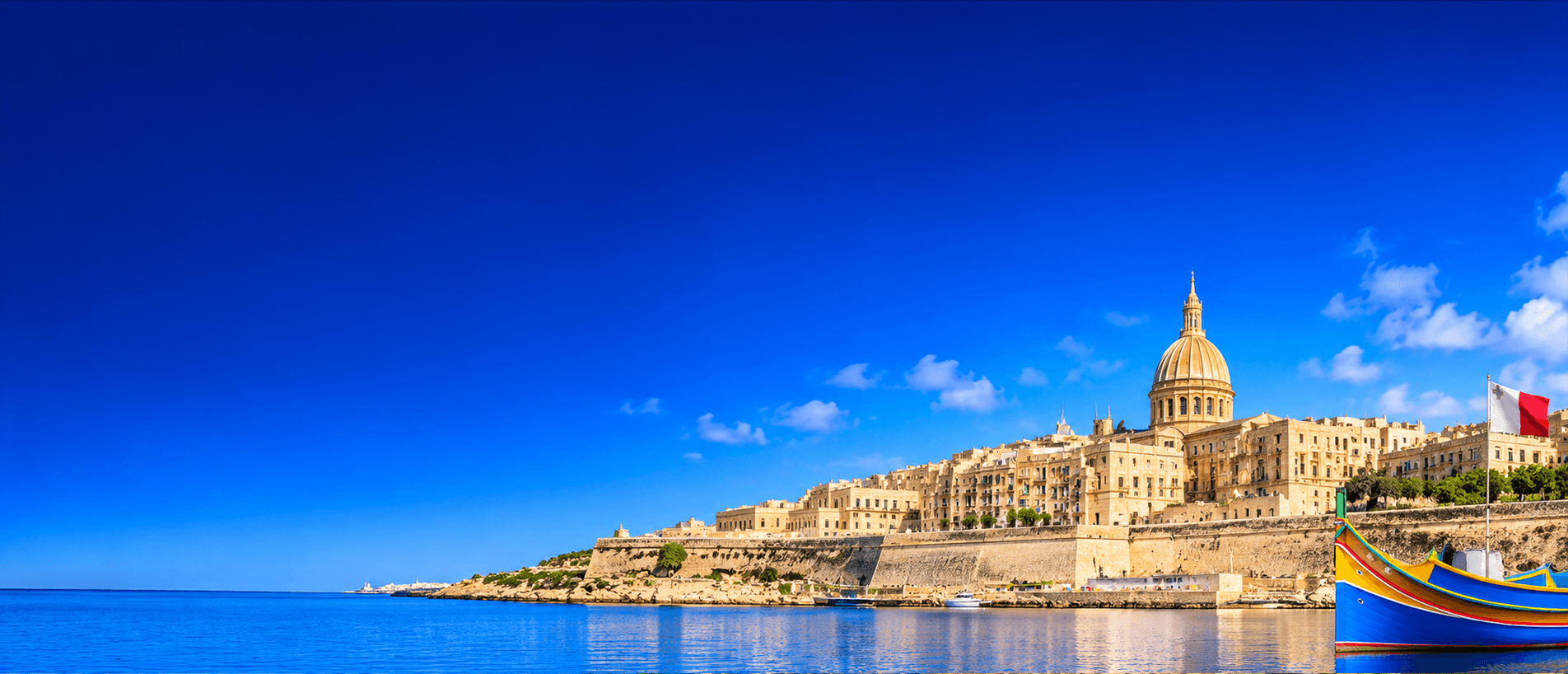
Why Study in Malta?
Malta is an attractive study destination for Bangladeshi students because of its English-speaking environment, European education system, relatively affordable study options, and international career opportunities. Many programmes are taught in English, making it easier for Bangladeshi students to adapt academically and socially. Eligible international students can also work up to 20 hours per week while studying, subject to the required conditions. After completing their studies, eligible graduates may have the opportunity to apply for a temporary residence permit of up to 9 months to look for employment or start a business related to their studies. Malta also offers students valuable international exposure, a multicultural environment, and opportunities to build professional networks and gain practical experience.
Study in Malta: A Complete Guide
Requirements, costs, intakes and work opportunities for Bangladeshi students.
Jump to a section
Why Study in Malta?
Top 5 reasons to study in Malta
- 1English is an official language
- 2Relatively small and manageable country
- 3Strong tourism/hospitality sector
- 4Business and IT opportunities
- 5Part-time work possibility
Top Courses in Malta
Requirements to Study in Malta
Malta is an English-speaking European study destination offering a range of Bachelor's, Master's, and other higher-education programmes. Admission requirements vary depending on the institution and programme.
Language Requirements
IELTS Academic
5.5–6.5+
TOEFL iBT
70–90+
PTE Academic
50–60+
Academic Requirements
Undergraduate Programmes
- Completion of Higher Secondary School / equivalent qualification
- Academic transcripts and certificates
- Meeting the programme's minimum academic requirements
- English language proficiency
- MQRIC recognition/statement for certain foreign qualifications
- Entrance test or interview, if required
Graduate Programmes
- A recognized Bachelor's degree or equivalent
- Undergraduate transcripts and academic records
- Meeting the programme's GPA/academic requirements
- English language proficiency
- Relevant work experience or other requirements, if applicable
Visa Requirements
Non-EU students, including students from Bangladesh, generally require a National Long-Stay D Visa for courses exceeding 90 days. Students studying eligible higher-education programmes at MQF Level 5 or above must also apply for a study residence permit after arriving in Malta.
Required documents generally include:
- Valid passport
- University/college acceptance or enrolment letter
- Proof of tuition fee payment
- Bank statements and proof of sufficient financial resources
- Proof of accommodation
- Medical and travel insurance
- Passport photograph
- Flight itinerary
- Completed visa application form
- English-language/academic documents
- Biometric information, where required
Intakes to Study in Malta
Malta generally has two main intakes: October and February.
First Semester
October Intake is the main and most popular intake, offering the widest range of programmes. At the University of Malta, the academic year normally begins in October.
Second-Semester
February Intake is a smaller intake with fewer programmes available. Students should check the specific university and programme for availability and deadlines.
Cost of Studying in Malta
Tuition Fees
Tuition fees in Malta vary depending on the institution, programme, and level of study. International students should also budget for accommodation, food, transportation, insurance, and other living expenses.
Undergraduate (UG)
€7,000 – €15,000+ per year
Postgraduate (PG)
€8,000 – €16,000+ per year
Specialized Programs
€12,000 – €25,000+ per year
Living Cost
Students should generally budget around €700–€1,000+ per month for accommodation, food, transportation, utilities, and personal expenses. Costs can be higher depending on accommodation type and location.
Top Universities of Malta
Post-Study Work Opportunities in Malta
Malta currently offers eligible graduates of MQF Level 5+ programmes a 9-month post-study residence permit to look for employment or start a qualifying business. It is not itself a full-time work permit; a graduate needs the appropriate employment permission/Single Permit to work. During studies, eligible international students can work up to 20 hours per week subject to the applicable employment conditions.
Still confused?
Ask us anything about studying in Malta. Share your details and our counsellors will get back to you.
It only takes a minute. We’ll contact you with answers and the next steps.